
Salobreña
Granada · Andalucía
Salobreña (pronounced [saloˈβɾeɲa]) is a town on the Costa Granadina in Granada, Spain. It claims a history stretching back 6,000 years. There are two main parts of Salobreña; The first is The Old Town which sits atop a rocky prominence and is a cluster of whitewashed houses and steep narrow streets leading up to a tenth-century Moorish castle, called 'Castillo de Salobreña' and it is one of its main tourist attractions. The second part of Salobreña is new developments which spread from the bottom of the Old Town right to the beach. The whole town is almost surrounded by sugarcane fields on each side along the coast and further inland. Another tourist attraction in Salobreña is 'El Peñón' (The Rock), which divides two of Salobreña's five beaches and juts out between Playa La Guardia and Playa de la Charca/Solamar and into the sea.
Sections the premium town hall can edit · Fixed sections of the guide
Origins
La etimología del término parece proceder de las lenguas indoeuropeas meridionales identificadas por Villar. En concreto, se propone la raíz Sel (‘corriente de agua’) y -amsina o -ansina, de la raíz indoeuropea *m°bhi (‘alrededor de’), usado en antiguo irlandés con el significado de ‘cercado’.
Como ciudad hispanorromana de la Bética, Salobreña es conocida como Segalvina y como tal, consta en las actas del Concilio de Ilíberis. El nombre que recibe en lengua árabe es el de Shalubānya, pronunciado también Shalubīnya (del que procede el nombre actual) debido a la imala, un rasgo peculiar de pronunciación presente en el árabe hispánico.
History
Geological background:
At the close of the Last Glacial Maximum, the Motril-Salobreña plain on which Salobreña now stands was not yet land: rather it was a large bay studded with a number of dolomite crags which were islands, most prominently the formation now known as Monte Hacho (73m) and the headland on which Salobreña now stands (110m). The Guadalfeo river drained into the bay, running down the Tajo de los Vados gorge which separates the Sierra de Escalate to the north-east of Salobreña from the Sierra de Chaparral to the west. The river gradually filled the bay with silt comprising post-orogenic, miocenic, and quaternary material, producing a fertile alluvial plain, on which agriculture could begin by the Bronze Age. At this time, the outcrop on which the old town of Salobreña now stands had become a peninsula. Meanwhile, the rocky outcrop of the Peñon, which now juts from La Guardia beach into the sea, remained an island into the seventeenth century. A map of 1722 is the first evidence that the beach had reached it, making it a peninsula.
Ancient:
Archaeological finds show human habitation around Salobreña at the rocky promontory known as the Peñon beginning in the Neolithic period, when the Peñon was still an island, with strata perhaps beginning as early as the palaeolithic period and continuing into the Bronze Age at the Cueva del Capitán (Captain's Cave) in the nearby hamlet of Lobres. Evidence of Bronze Age settlement from around 1500 BCE has also been found on the Salobreña headland and, slightly further inland again, Monte Hacho. Such settlements would have been characteristic of the settlement of easily defensible rocky headlands in the region at the time.
Salobreña is thought to have experienced contact with the Phoenicians around the eighth century BCE and then Greek and Punic culture around the sixth. At this time, its name is attested as Selambina. A major impact of Roman culture is, however, visible for the second century BCE, attested in widespread archaeological finds.
Medieval:
In 713 CE, the region of Elvira (roughly corresponding to the Province of Granada today) came under the Arab rule of Mūsa bin Nusayr, and by the tenth century, a castle (ḥiṣn) at Salobreña is recorded in Ahmad ibn Muhammad ibn Musa al-Razi's Crónica del moro Rasis. Al-Razi also noted the introduction of the cultivation of sugar cane at Salobreña. The main crop of medieval Salobreña was sugar-cane, though other attested crops include cumin and bananas. By the eleventh century, Ibn Hayyan could refer to Salobreña as a medina ('town'), a denomination that became usual by the fourteenth century, when Salobreña was the seat of government for surrounding hamlets like Vélez de Benaudalla, Molvizar, and Lobres.
In 1489, Granada came under Castilian rule, and Francisco Ramirez de Madrid became governor of Salobreña's fortress and town. The next year, the inhabitants of the town supported the resistance of Muhammad XI of Granada to Castilian rule, which speeded the increase of Castilian migration into the settlement. In 1568-69, the Moriscos of Salobreña participated in revolts.
Modern:
Sugar-cane remained key to the town's economy through the sixteenth century, returning to prominence in the nineteenth. In between, cotton became the dominant crop. The early-modern history of Salobreña is not well understood. In the nineteenth century, however, Salobreña was strategically important in the Spanish War of Independence, and also adopted new steam-technologies for sugar production pioneered in Cuba. The expansion of the town in the second half of the nineteenth century that was driven by a boom in sugar-cane production led to the demolition of the last remains of its medieval walls. By the 1970s, settlement was expanding from the outcrop on which the old town sits onto the alluvial plain below.
Today, the economy of the coastal plain around Salobreña is based on tourism and sugarcane agriculture, while the mountains are characterised by terraced agriculture with almond and, increasingly, sub-tropical fruit trees (with custard apples and avocado pears being the first to be introduced). The last remaining cane sugar factory in Europe was located along the coast just west of the village of La Caleta de Salobreña. It closed in 2006.
Monuments
There's no information in this section yet. The village's profile can complete it from the panel.
What to visit
Monumentos y lugares de interés:
Bienes de Interés Cultural:
Son bienes de interés cultural (BIC) el castillo de Salobreña, el centro histórico de Salobreña, la muralla urbana y la torre del Cambrón.
Lugares de interés:
En 2007 se catalogó como de interés etnográfico las instalaciones de la Antigua Fábrica Nuestra Señora del Rosario. También se encuentra la Casa Roja, casa señorial que formó parte de la desaparecida azucarera de San Francisco.
Señalar además los templos católicos de la iglesia parroquial de Nuestra Señora del Rosario, la capilla de San Luis y el templo de San Juan Bautista, además de La Santa Cruz, enclavada en el populoso barrio de La Loma y la Cruz de la Caleta, situada en lo más alto del parque de la pedanía de Caleta-La Guardia.
Dentro de Salobreña se encuentra el Museo Arqueológico Municipal, el auditorio José Martín Recuerda, la Bóveda, el paseo de las Flores y el paseo del Gambullón. Además el barrio de la Loma, y los miradores del paseo de las Flores y Hoyo de la Frascunda.
Fiestas:
Destacadas son las celebradas en honor de la patrona, Nuestra Señora del Rosario, cada 7 de octubre y que incluye una romería denominada Del Sur, que goza de gran popularidad en la provincia.
En torno al 24 de junio (San Juan Bautista) se celebra una feria en honor a San Juan Bautista. Por su carácter pintoresco también se destaca la Semana Santa. Del martes al Viernes Santo procesionan diversas cofradías, entre las que destaca la Procesión de la Soledad -el Viernes Santo-, en donde cientos de mujeres vestidas de riguroso luto y en silencio acompañan a María Santísima en su Soledad, para poner el broche de oro a los desfiles de la semana mayor del municipio.
En las pedanías de Lobres, y Caleta-La Guardia también son significativas las fiestas en honor a sus respectivos patrones o patronas. En el caso de Lobres hay que citar las fiestas patronales de San Antonio que se celebran el 13 de junio, Caleta-La Guardia comparten fiestas patronales que son en honor de la Virgen del Carmen que se celebran el 16 de julio.
Como curiosidad hay que decir que en Lobres se celebra la fiesta más antigua conocida del término municipal de Salobreña, esta es la fiesta de la Candelaria que tiene lugar el 2 de febrero.
Gallery


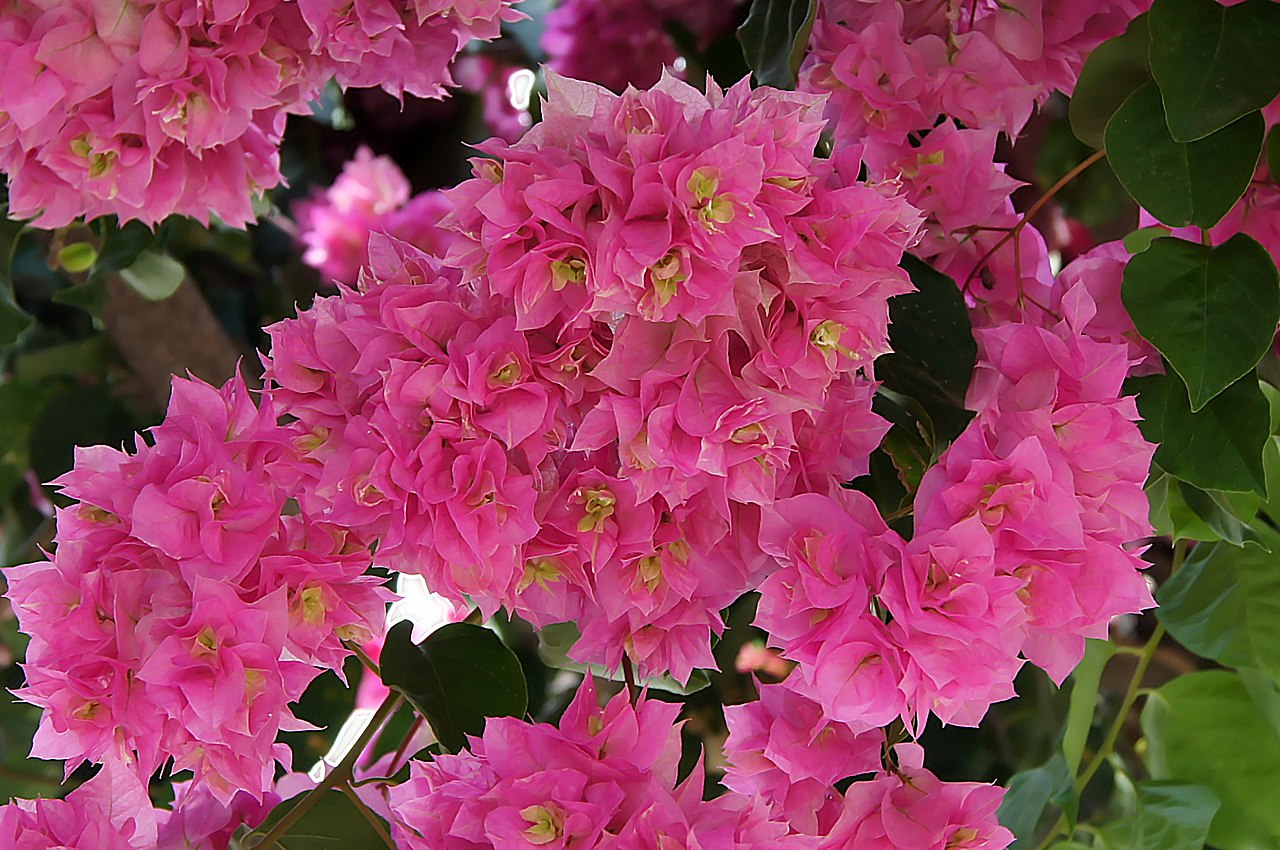

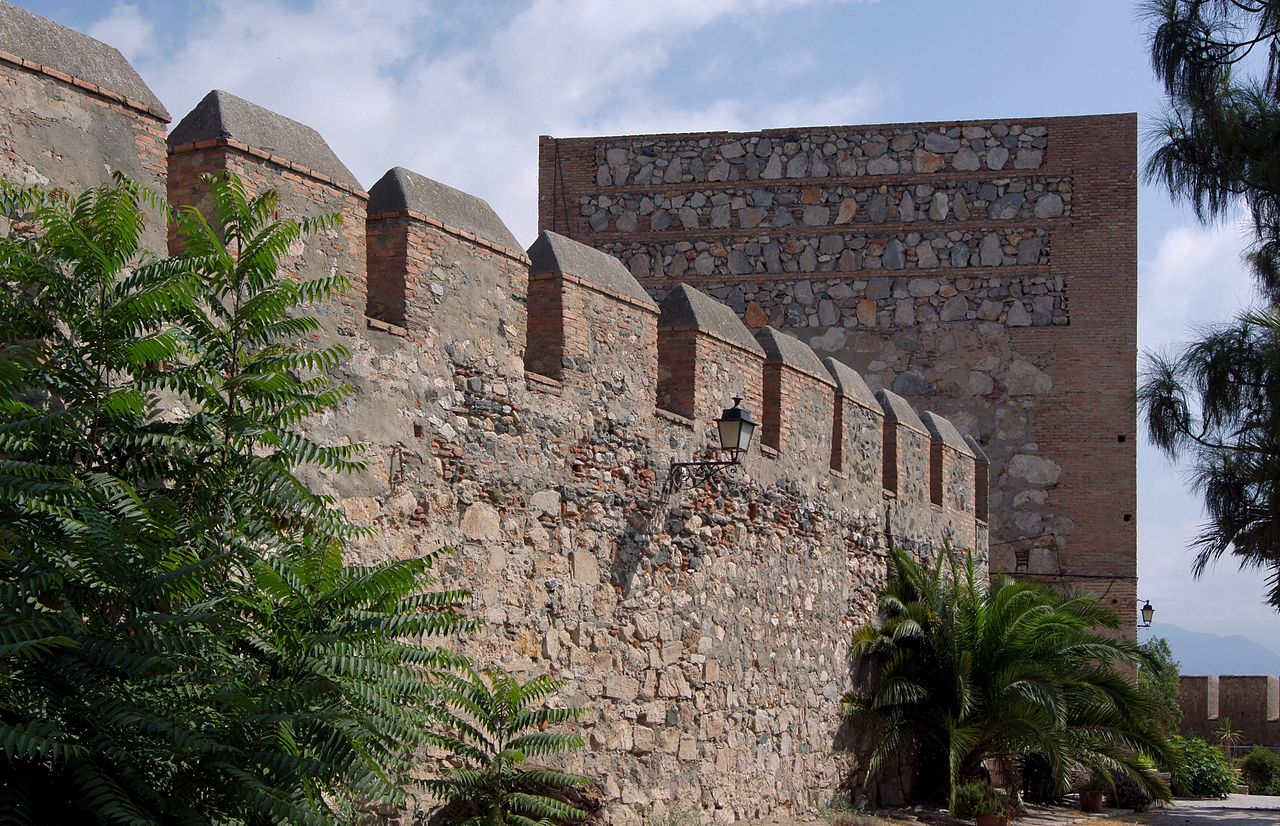


Festivals
September 2026
Festivals this month
- No festivals recorded this month.
Rest of the year
- June: Fiestas de San Antonio, en Lobres (11) · Fiestas de San Juan (20) · San Juan (23)
- October: Virgen del Rosario
What's on
Street market
Mercadillo semanal: Viernes, de 09:00 a 14:00 · Calle Estación
Gastronomy
There's no information in this section yet. The village's profile can complete it from the panel.
Trails and hiking
•Senda del Mediterraneo (GR 92 E-12)
•Azud de los Vados (4.8 km)
•Cultivos Subtropicales (5.2 km)
•Fábricas Azucareras (2.3 km)
•Las Lagunas (2 km)
•Camino de Panata (SL-A 315, 4.38 km)
Services
Do you have a business in Salobreña? Advertise it for free and go premium whenever you like. List my business for free
Famous people
•Francisco Martín y Martín, político y terrateniente español
•Jorge Martín Salazar, político español
Town hall
Gobierno municipal:
Evolución de la deuda viva municipal:
El concepto de deuda viva contempla sólo las deudas con cajas y bancos relativas a créditos financieros, valores de renta fija y préstamos o créditos transferidos a terceros, excluyéndose, por tanto, la deuda comercial.
Town hall of Salobreña
Gobierno municipal: Evolución de la deuda viva municipal: El concepto de deuda viva contempla sólo las deudas con cajas y bancos relativas a créditos financieros, valores de renta fija y préstamos o créditos transferidos a terceros, excluyéndose, por tanto, la deuda comercial.
Here goes your town hall's profile or your website address. Are you from the town hall? Go premium to complete your profile and edit your village's content. hola@ciudadesypueblos.es
How to get there
- 🚗 60 km from Granada (about 42 min by car)
- 🚗 93 km from Málaga (about 66 min by car)
🧭 Travelling around the villages of Spain: a practical guide — Opening hours, transport, money and customs, before you set off.
- ✈️ 65 km from Granada-Jaén airport (about 46 min by car)
- ✈️ 102 km from Málaga-Costa del Sol airport (about 72 min by car)
Practical info
🅿️ Where to park
- Where to park · 0 km away
- Where to park · 0 km away
- Where to park · 0 km away
🏧 Nearest cash machine
- Cajamar · 0.1 km away
- Caixabank · 0.2 km away
- Nearest cash machine · 0.3 km away
⛽ Nearest petrol station
- Plenergy · 0.2 km away
- Estación de Servicio ASC Salobreña · 0.3 km away
- Petroprix Salobreña · 0.3 km away
ℹ️ Tourist office
- Tourist office · 0.3 km away
- Ruta Cicloturística Circular por Salobreña · 0.3 km away
- Tourist office · 0.3 km away
🔭 Viewpoints
- Viewpoints · 0.4 km away
- Viewpoints · 0.5 km away
- Viewpoints · 0.5 km away
🏖️ Where to swim
- Playa de La Guardia · 1.1 km away
- Playa de La Charca · 1.3 km away
- Playa del Peñón · 1.3 km away
Buses
Check the route, times and public transport connections to Salobreña:
Pharmacy and health
Sanidad:
El municipio cuenta con un centro de salud con servicio de urgencias y dos consultorios médicos de atención primaria situados el primero en la plaza Juan Carlos I s/n, de Salobreña; y los otros dos en la calle El Espinar s/n, de Lobres y en la calle Ramblilla s/n, de Caleta-La Guardia, dependientes todos ellos del Área de Gestión Sanitaria Sur de Granada. El área hospitalaria de referencia es el Hospital Santa Ana de Motril.
Educación:
Transporte y comunicaciones:
Carreteras:
Las principales vías de comunicación que transcurren por el municipio son:
Algunas distancias entre Salobreña y otras ciudades:
Wall and news
Log in with your profile to post. Posting on the walls is free.
This wall is still quiet.
Obituaries
There are no obituaries published right now in Salobreña.
In loving memory
There are no memorials in Salobreña yet.
Videos
Discover Salobreña on video: