Calella
Barcelona · Cataluña
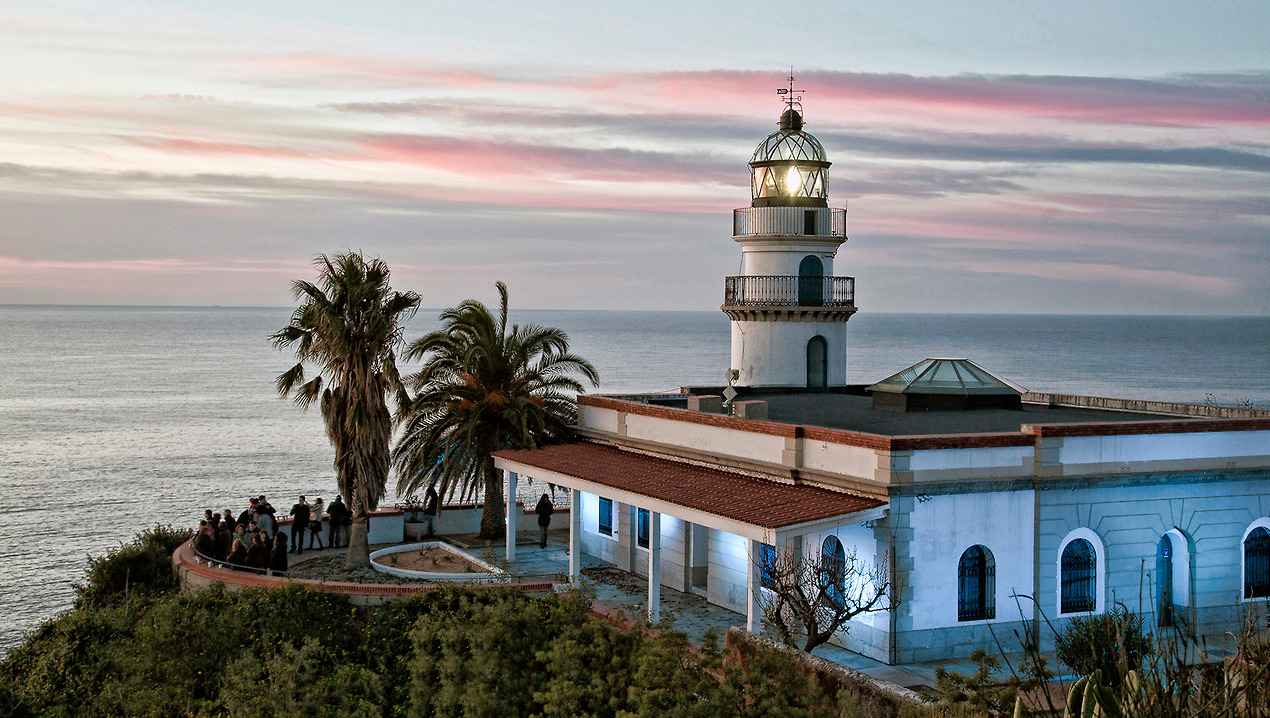
Calella (Catalan pronunciation: [kəˈleʎə]) is a municipality located in the Maresme region of Catalonia, Spain, located 50 km from Barcelona, 50 km from Girona, and 6 km from the Montnegre-Corredor Natural Park. It has a Mediterranean climate, and is known for its beaches, which span about 3 km. It has several natural areas, such as Dalmau Park, Manuel Puigvert promenade, Garbí promenade, the Calella Lighthouse, and The Turrets.
Sections the premium town hall can edit · Fixed sections of the guide
Origins
There's no information in this section yet. The village's profile can complete it from the panel.
History
Early history:
From the 1st century BC, the progressive process of Romanization gave rise to numerous villas in the lower areas of the coast, connected by the Roman road that led to Barcino (Barcelona). These were agricultural mansions dedicated to the production of wheat, oil, or wine. In Calella, the remains of a Roman villa that could be dated between the 1st century BC and the 1st century AD have been excavated close to the city hospital.
Calella has approximately 700 years of documented history. In the 11th century, evidence emerged of a settlement in the Capaspre area, which was integrated into the parish of Pineda de Mar and under the stately rule of the Lord of Montpalau Castle. It consisted of a small number of farmhouses located at the top of the stream, with a defense tower and a couple of chapels dedicated to Saint Quirze and Saint Julita.
The name Calella has been documented since the beginning of the 12th century. From then on, away from the Saracen danger, some residents of the Capaspre area built their first fishermen's houses near the mouth of the stream. The will of Bishop Bernat Umbert, written in 1101, was the oldest document found that refers to Calella. Viscount Bernat II of Cabrera, Lord of Montpalau, granted the privilege of having a market as well as a settlement charter in 1327. The market privileges were enlarged in 1328.
These privileges, upheld in 1423 by Violant de Cabrera on behalf of her husband, and in 1426 by Bernat Joan de Cabrera himself, along with the fishing development, favored urban growth: during the 15th century many peasant families from neighboring villages settled in the village. By then, it had a defense tower and a new chapel dedicated to Saint Elm.
Modern History:
During the sixteenth century, the city was drawing up its urban framework. In 1525, the Pope authorized the construction of a church. Three years later, the works of the temple began. While the Church was being built, the people of Calella received the sacraments in the chapel of Sant Elm. In 1564, the new church was consecrated. In 1599, Gastó de Moncada, Marquis of Aitona and Viscount of Cabrera, granted new privileges establishing the definitive organization of the municipal council, represented by juries and councillors, renewable annually, and dividing the inhabitants into three classes: wealthy, craftsmen and day labourers. In the 1570s, Abraham Ortelius first mapped Calella's name on a map of the peninsula. In 1586, Calella already had an urban plan made to scale.
After a long period of stagnation due to wars and epidemics that ravaged the country during the seventeenth century, growth continued. In 1714, once the War of the Spanish Succession ended, the city began a process of demographic and economic growth, going from the 768 inhabitants in 1718 to 2,637 in 1787. During these years, the traditional agricultural and fishing activities were expanded with boat construction. The last third of the century, thanks to the liberalization of trade with the American colonies, was the golden age of overseas trade, which contributed decisively to the industrial development of the entire region. In 1790, there were already more than 200 looms dedicated to the manufacture of silk and cotton stockings.
By the end of the century, many new streets had been added to the initial nucleus, making Església Street and Jovara Street the new central streets.
19th and 20th centuries:
Despite wars and revolutions, industrial activity (textiles) and transatlantic trade maintained their production. In 1854, the construction of large boats and fishing boats began. On August 1, 1861, the train officially arrived in Calella, although it had been stopping at a Calella temporary stop since 1859. The population began a period of growth, from 3,500 inhabitants in 1860 to 4,316 in 1900. The cause of this growth was the installation of the first steam-powered factories, which offset the upheaval in maritime trade caused by the loss of the colonies.
The first decades of the 20th century were a time of splendour for Calella's industry, which was cut short by the civil war. The decline of the textile sector went closely with the spectacular development of tourism, especially from the sixties and on. This process is clearly reflected in demographics: strong growth from 1900 to 1930, stagnation between 1930 and 1960, and spectacular growth during the 1960s and 1970s.
Between the 1970s until the mid-1990s, Calella became an important tourist destination for Central European tourism (German, Dutch, Danish, English, French), and was thus popularly known as Calella dels Alemanys, as its population tripled in the high tourist season (which coincides with the end of spring, summer and the beginning of autumn). Currently, the variety of tourism has grown, and visitors are received from virtually every country in Europe.
Monuments
Iglesia de Santa María y San Nicolás. El 1525 Calella obtuvo del papa Clemente VII la bula que le otorgaba el derecho a constituirse en parroquia independiente. La construcción del nuevo templo fue encomendada al maestro de obras barcelonés Pere sudar el 1539. Posteriormente la obra fue confiada al constructor Antoni Mateu, pero su muerte prematura obligó a contratar el famoso escultor y maestro de obras Jean de Tours, que murió en Calella en 1563 dejando la obra inacabada. Finalmente, se encargó la ultimación del templo a los maestros Joan Soler, calellense, y Perris Rohat, francés residente en Mataró. La nueva iglesia fue consagrada en 1564.
La portada, de estilo barroco, obra de Jean de Tours, consta de un retablo de piedra del siglo XVI, de estilo plateresco, con las cabezas de los doce apóstoles. En la hornacina hay San Nicolás de Bari, bajo cuya advocación junto con la de Santa María fue consagrada la parroquia.
Capilla de San Quirico y Santa Julita. A finales del siglo XIV Calella tenía una capilla dedicada a San Telmo, cerca de la playa, que fue habilitada como parroquia en 1528, mientras se construía la nueva iglesia de Santa María y San Nicolás. En marzo de 1820, los patrones de Calella, Sant Quirze y Santa Julita, son acogidos en la capilla de Sant Elm debido al hundimiento de la ermita situada en el arroyo de Capaspre, cambiando su advocación. (Wikimedia Commons: la capilla).
Can Galceran (can Giol). Iniciada su construcción en 1430, fue agrandada en fechas posteriores mediante diferentes compras de terrenos, pudiendo considerarse la totalidad como una obra de los siglos XV y XVI. Fue la casa solariega de las estirpes de los Monet Ballester (siglo XV) y después Galceran (siglo XVII). Los elementos a destacar son la portada de medio punto, los ventanales renacentistas, el escudo hablando (un Galceran, arbusto) y el matacán sobre la puerta principal. El esgrafiado clásico imitando sillares se encuentra muy deteriorado.
Can Salvador de la Plaza. Edificio con tejado a 4 vertientes, construido en el siglo XIV. Este edificio puede ser considerada como una de las primeras que formaron el actual núcleo urbano de Calella alrededor del Mercadal. Sus elementos más destacados son su portal renacentista, la decoración de los ventanales y el matacán defensivo sobre el ángulo de la calle Bartrina, la calle que daba en el mar. Actualmente es la sede de la biblioteca municipal.
Can Bartrina. Casa solariega de los Coma de Capaspre, con escudo sobre la puerta, y también de los Bataller y después de los Delgado, notarios barceloneses. Sus elementos singulares son la portada, los ventanales, sus esgrafiados clásicos y la torre defensiva para proteger la fachada, con cantoneras de piedra y coronada con un matacán del que sólo quedan las ménsulas que lo sostenían. El conjunto, junto con la torre de defensa, quedó completado en el siglo XVI.
Can Basart. Antiguamente había sido la casa de la familia Pla, que enlazó con la familia Basart a principios del siglo XVIII. La casa es de estilo barroco y parte de la fachada conserva los esgrafiados con motivos geométricos.
(Fuentes: Ruta Renacentista / "Compilación Histórica de Calella", de Domingo Mir. Ed. Cedro, 1982)
Faro de Calella Es uno de los símbolos más característicos de la ciudad. Está situado en la cima del Capaspre, el mismo lugar donde se había alzado una antigua torre medieval. Fue inaugurado en 1859, con una linterna de luz de aceite de oliva. El faro albergaba la vivienda del farero en planta baja, y tanto la linterna como el edificio ha sufrido varias modificaciones a lo largo del tiempo. Desde 2011 alberga el Centro de Interpretación del Faro de Calella, donde se explican las relaciones de comunicación del faro hacia su entorno.
Las Torretes. A mediados del siglo XIX fueron construidas en la cima del Capaspre dos torres, una de uso civil y el otro militar, destinadas a la transmisión de señales ópticas mediante el sistema de telegrafía óptica.
Parque Dalmau. Extensa zona verde situada en el centro de la ciudad, proyectada a finales de los años 20 del siglo XX a partir de la compra del terreno de la finca de Can Pelayo por parte del Ayuntamiento, presidido entonces por Jaume Dalmau. Es un paraje único para pasear y disfrutar de la naturaleza, con un itinerario botánico y parajes como la Fuente de los Leones o el Patio del Oso. Acoge anualmente el Encuentro de la Sardana y varios actos culturales y festivos. Dentro del parque se construyó, en 1937, un Refugio Antiaéreo por proteger a la población de los bombardeos de la Guerra Civil.
Paseo marítimo Manuel Puigvert. Paralelo a la playa se extiende este paseo arbolado con plataneros centenarios, que se ha convertido uno de los iconos de la ciudad. El alcalde Manuel Puigvert (1843-1913) embelleció este entorno transformándolo en un lugar de ocio y relación social, un espacio ideal para disfrutar de la sombra y la brisa marina de las calurosas tardes de verano. Jeroni Martorell haga construir una magnífica balaustrada ornamentada con farolas, copas y escalinatas. En el paseo se desarrollan, entre otras muchas actividades, la Feria de Calella y el Alt Maresme o la prueba deportiva Ironman.
Mercado municipal. Edificio de estilo novecentista construido en 1927 en la antigua plaza del Hostal (o del Rey). Consta de una sola nave de 15x24 m, y un porche en la fachada principal de la calle San Juan. A su lado hay una torre de aguas parecida a la del matadero. El mercado disponía de un anexo de porches cubiertos en el otro lado de la carretera, del mismo estilo, ya desaparecidos.
Biblioteca Popular Costa i Fornaguera (Antigua biblioteca Costa y Fornaguera). El edificio, que sigue el estilo novecentista del mercado y el matadero, fue proyectado como grupo escolar y se inauguró en 1923, bajo la alcaldía de Narciso Baronet. Más tarde, en 1931, se instaló la biblioteca popular en la primera planta. La planta baja se divide en dos alas alrededor de un patio central, mientras que la entrada principal de la fachada consta de un porche con columnas clásicas que soportan arcos de medio punto. Actualmente es la sede de la guardería municipal El Carrilet.
Antiguo matadero municipal. Construcción novecentista, coetánea del mercado y la biblioteca, inaugurada en 1927. Originalmente presentaba unas construcciones anexas para los corrales, cámaras frigoríficas o la casa del vigilante. A su lado también se construyó una torre de aguas.
What to visit
Romería de la Sardana: el primer domingo de junio, se celebra desde 1926
Fiesta mayor pequeña: 16 de junio, en honor de San Quirce y Santa Julita.
Fiesta mayor de la Minerva: 23 de septiembre
Fira de Calella y el Alt Maresme: la feria, celebrada en septiembre, exhibe tradiciones Catalanas
Fiesta de la Cerveza (Oktoberfest)
Desfile de Carnaval del Alt Maresme
Semana de la Salud
Festival de Canto Coral Europeo
Screamin' Festival
Calella Film Festival
Festival Noches de Verano en Calella
Festival Internacional de Folclore "Alegría"
Calella Folk Festival
Calella Rockfest Festival
Festival Internacional "Canta al Mar"
Jornadas Internacionales Folklóricas de Cataluña
Feria del Libro
Feria Medieval
Gallery




Festivals
September 2026
Festivals this month
- 22 · September Feria de Calella 📆 Add to my calendar
- 23 · September Fiesta Mayor de la Minerva 📆 Add to my calendar
Rest of the year
- February: Carnaval (15)
- May: Feria Renacentista (5)
- June: Santos Patronos (16)
What's on
Street market
Mercadillo semanal: Sábado, de 09:00 a 15:00 · Carrer de Sant Jaume, 294
Gastronomy
There's no information in this section yet. The village's profile can complete it from the panel.
Trails and hiking
•Sant Cebrià de Vallalta (SL-C 102, 11.4 km)
•Calella-Tordera (PR-C 146, 32.260 km)
•La Vall de la Riera de Pineda (SL-C 101, 9.1 km)
•Sant Cebrià de Vallalta-Arenys de Mar (12.4 km)
•Pineda-Vilamanya-Malgrat (17.5 km)
•Calella-Hortsavinyà (12.2 km)
•Ruta dels turons (9.1 km)
•Ruta de les Torretes (8.4 km)
•Eix de la Costa (52.1 km)
•Eix Central del Maresme
Services
Do you have a business in Calella? Advertise it for free and go premium whenever you like. List my business for free
Famous people
•Josep Maria Margall, baloncestista español
•Josep Terricabras, político, filósofo y catedrático universitario español
Town hall
Alcaldía: Marc Buch Rigola
Web oficial: https://www.calella.cat/
Town hall of Calella
Alcaldía: Marc Buch Rigola Web oficial: https://www.calella.cat/
Here goes your town hall's profile or your website address. Are you from the town hall? Go premium to complete your profile and edit your village's content. hola@ciudadesypueblos.es
How to get there
- 🚗 21 km from Breda (about 15 min by car)
- 🚗 52 km from Badalona (about 37 min by car)
- 🚗 60 km from Barcelona (about 42 min by car)
🧭 Travelling around the villages of Spain: a practical guide — Opening hours, transport, money and customs, before you set off.
- ✈️ 41 km from Girona-Costa Brava airport (about 29 min by car)
- ✈️ 76 km from Barcelona-El Prat airport (about 54 min by car)
Practical info
🅿️ Where to park
- Where to park · 0.3 km away
- parking del mercat · 0.3 km away
- Where to park · 0.3 km away
🏧 Nearest cash machine
- ATM Euronet · 0.6 km away
- Euronet · 0.8 km away
- Nearest cash machine · 0.9 km away
⛽ Nearest petrol station
- Estació de Servei Tamoil Pineda · 1 km away
- Repsol · 1.1 km away
- Moeve · 1.1 km away
ℹ️ Tourist office
- ruta de l'esquirol · 0.1 km away
- ruta de l'esquirol · 0.2 km away
- ruta de l'esquirol · 0.2 km away
🔭 Viewpoints
- Viewpoints · 0.5 km away
- Viewpoints · 0.6 km away
- Turó d'en Maresme · 0.8 km away
🏖️ Where to swim
- Platja Gran de Calella · 0.5 km away
- Platja del Poblenou · 0.8 km away
- Piscina del puente · 1.4 km away
Buses
Check the route, times and public transport connections to Calella:
Pharmacy and health
Find the nearest pharmacy and health centre, with the address and how to get there:
Wall and news
Log in with your profile to post. Posting on the walls is free.
This wall is still quiet.
Obituaries
There are no obituaries published right now in Calella.
In loving memory
There are no memorials in Calella yet.
Videos
Discover Calella on video: