Castrojeriz
Burgos · Castilla y León
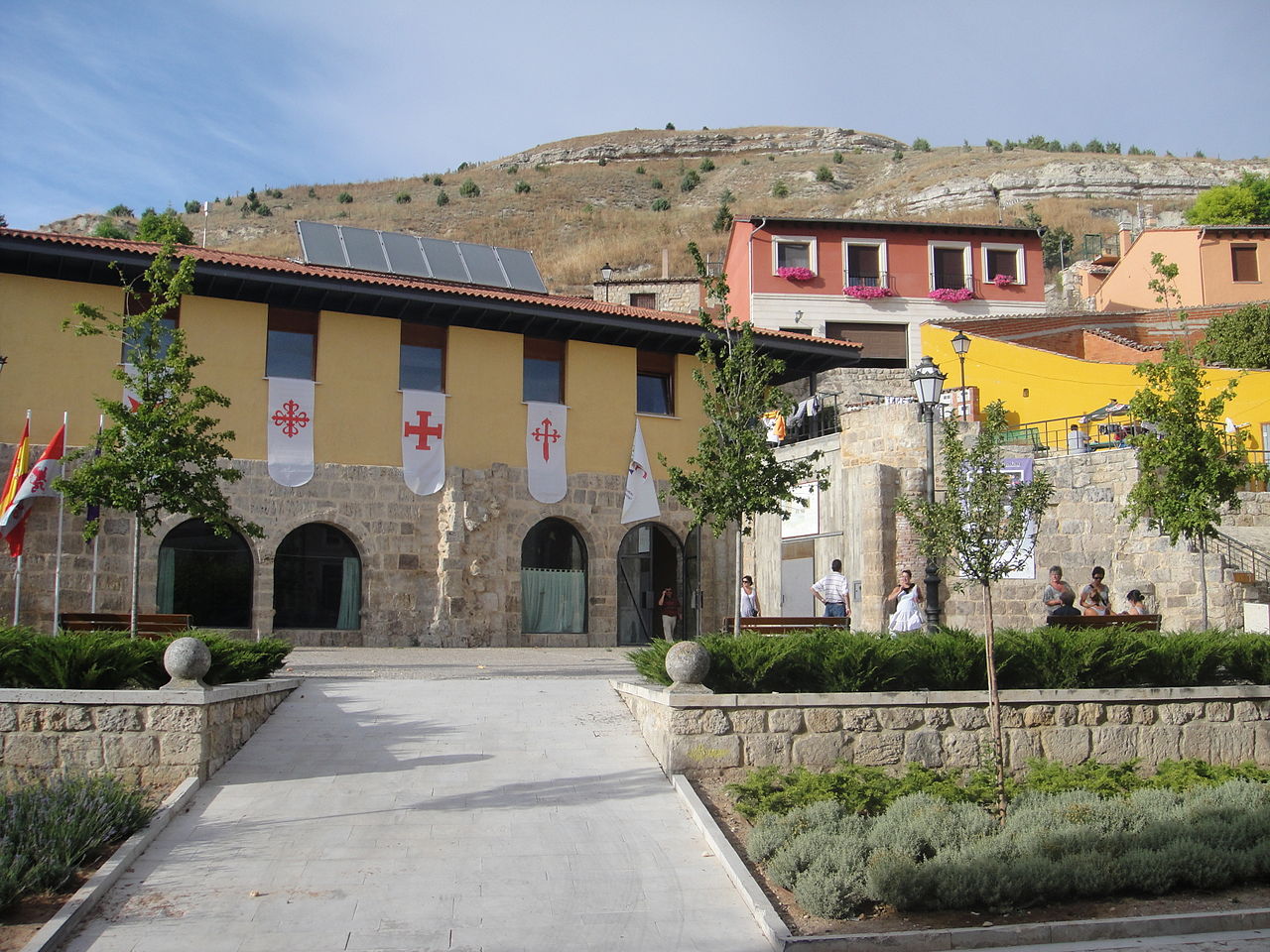
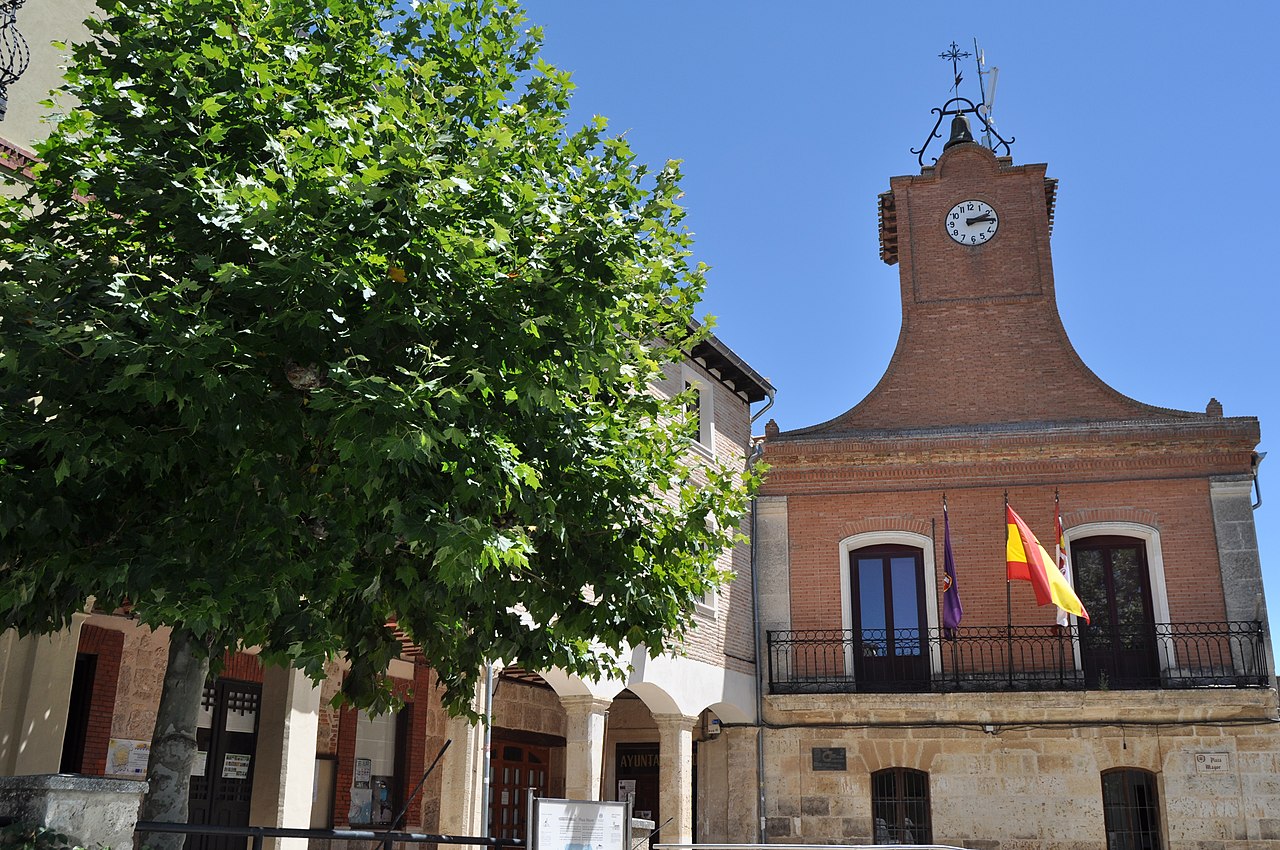
Castrojeriz or Castrogeriz is a locality and municipality located in the province of Burgos, in the autonomous community of Castile and León (Spain), the comarca of Odra-Pisuerga, the judicial district of Burgos, head of the town council of the same name and former head of the Castrojeriz judicial district. It is a popular stop along the French Way of the Camino de Santiago or The Way of Saint James, which crosses the city longitudinally for more than 1,500 meters.
Sections the premium town hall can edit · Fixed sections of the guide
Origins
There's no information in this section yet. The village's profile can complete it from the panel.
History
The village is located along the Odra River just before it joins the Pisuerga. Historically it was head of the Castrojeriz judicial district, one of the fourteen that formed the municipality of Burgos, in the period between 1785 and 1833. In the 1787 Floridablanca Census it fell under the jurisdiction of a lordship with its proprietor being the Marquesa de Camarasa, with an ordinary mayor.
It is believed to have been the former Castrum Sigerici. The village is arranged like other villages along the Camino. On this street-route there are several churches and notable buildings. There is a castle, in ruins, which has a lot of history. The village was established by Count Muño (or Nuño Nuñez), who defended the fort at the end of the ninth century against the Arabs. Before that it had been a Celtiberian, Roman and Visigoth fortress.
In 974, Count García Fernández of Castile granted it a charter, the Charter of Castrojeriz, which is considered to be the 1st granted in Castile.
Historically, there was a Jewish community in Castrojeriz. In the same year that the town was granted its charter, 974, Count García Fernández ruled that the fine imposed for killing a Jew should not exceed the fine for killing a Christian peasant. The Jewish community in Castrojeriz was one of the earliest recorded in Spain. It ceased to exist after the 1492 expulsion of the Jews.
Castrojeriz is an example of Jacobean urbanism, with houses located around the street-route, which is the longest of all on the pilgrimage route. As an important stage in the Camino de Santiago it had several hospitals along this street.
There is a calvary which sports a Cross of Tau (Tau) instead of the Latin cross perhaps as a reminder of the Order of the Antonians who had a monastery and hospital on the outskirts of the town, where they healed and tended to the sick afflicted by St. Anthony Fire, called also the holy fire, a disease now known to be caused by ingesting a fungal parasite on rye.
Monuments
La villa:
Bien de interés cultural
Categoría: CONJUNTO HISTÓRICO
Observaciones: Parte integrante del Camino de Santiago delimitado por decreto 324/99, de 23 de diciembre
Fecha — Incoación: 20/12/1974 — Declaración: 20/12/1974 — BOE Declaración: 31/01/1975
Castillo de Castrojeriz:
Bien de interés cultural
Fecha — Incoación: 22/04/1949 — Declaración: 22/04/1949 — BOE Declaración: 05/05/1949
En él fue asesinada en 1359 la reina Leonor de Castilla, hija del rey Fernando IV de Castilla y esposa del rey Alfonso IV de Aragón, por orden de su sobrino, Pedro I. En 2013, terminaron las obras de la puesta en valor para su visita turística.
Casa denominada El Fuerte:
Bien de interés cultural
Fecha — Incoación: 22/04/1949 — Declaración: 22/04/1949 — BOE Declaración: 05/05/1949
La Torre:
Bien de interés cultural
Fecha — Incoación: 22/04/1949 — Declaración: 22/04/1949 — BOE Declaración: 05/05/1949
Iglesia de Santa María, San Juan y Santo Domingo:
Iglesia parroquial de Santa María, San Juan y Santo Domingo, en el Arcipestrazgo de Amaya, diócesis de Burgos. Dependen las localidades de Castellanos de Castrojeriz, Hontanas, Tabanera de Castrojeriz y Villaquirán de la Puebla.
Bien de interés cultural
Fecha — Incoación: 21/11/1980 — Declaración: 29/06/1990 — BOE Declaración: 03/07/1990
Está en la calle-camino. De aspecto castrense con esbelta torre y restos románicos en la base de la iglesia. Inmenso templo columnario de 3 naves, bóvedas con nervios que se abren como si fueran palmeras. Perteneció a los Templarios y más tarde a la orden de los Hermanos Hospitalarios de San Antonio. En lo alto se ve el rosetón, soberbio ejemplar de estrella de cinco puntas, pentágono invertido de simbología tradicionalmente mística y el pentáculo recto que representaba el Hombre Cósmico.
El edificio actual fue erigido para enterramiento de varias familias de linaje. Contiene los siguientes elementos principales de interés:
Claustro del siglo XVI. Conserva tres galerías o pandas. Tiene un artesonado mudéjar con alusiones astrológicas y decoración con escudos de los Gómez Sandoval, que fueron señores de Castrojeriz entre los años 1426 y 1476. En los capiteles de las columnas hay algunas cruces pateadas, de origen templario.
Capilla funeraria de don Juan González Gallo, situada en la nave sur. Es del siglo XVI. El retablo está compuesto por 12 tablas atribuidas a Ambrosius Benson.
Capilla de los Castro-Mújica, situada en el primer tramo de la nave norte. Fue construida por Juan y Pedro Henestrosa. Se encuentra el enterramiento gótico de Diego de Mújica muerto en 1527. Se representa con el busto yacente y el sarcófago adornado con sus escudos
El retablo mayor, de pino dorado y estilo rococó del siglo XVIII, fue mandado hacer por el Comendador mayor y Preceptor General de la Orden de San Antonio, Damián García Olloqui, para el convento de San Antón de la localidad, y trasladado a la iglesia de San Juan cuando la Orden de San Antonio fue unida canónicamente a la Orden de Malta en 1777 y finalmente extinta en 1791.
Tiene coro alto a los pies, con pretil y escalera de acceso con tracerías góticas.
Iglesia de Nuestra Señora del Manzano:
Monasterio de Santa Clara:
Ruinas del convento de San Antón:
A las afueras de Castrojeriz, sobre lo que fue anteriormente el palacio y la huerta del rey Pedro I de Castilla, se hallan las ruinas del antiguo monasterio de San Antón, regido por los antonianos, que se dedicaban a cuidar de los enfermos que llegaban haciendo el Camino de Santiago, sobre todo de los que presentaban la enfermedad llamada del fuego de San Antón, fuego sagrado, fuego de enfermo. En la actualidad solo queda en pie el arco que formaba un túnel, por donde entraban y salían los peregrinos.
Este monasterio estuvo bajo la protección real, por eso hay escudos reales en la portada de la iglesia y en las claves de las bóvedas. Lo fundó Alfonso VII en el siglo XII (año 1146), y fue conocido como real xenodoquio de San Antonio Abad. Las ruinas actuales son del siglo XIV. El hospital tuvo mucha importancia, pues fue la sede de la Encomienda General de la Orden de San Antonio en los distintos reinos de la Corona de Castilla y Portugal, con más de veinte encomiendas dependientes (casas-monasterios-hospitales). Eran famosas las ceremonias que hacían los monjes antonianos para bendecir diversos objetos, a las que acudían muchos fieles. Bendecían:
La cruz llamada Tau o Thau. Fue usada por el fundador de la orden en memoria de la liberación de los primogénitos de los hebreos, los cuales tenían sus puertas marcadas con este símbolo. Esta Tau libraba de pestilencias a todo el que la llevaba.
El pan de San Antonio, que se daba a todos los peregrinos y era elaborado contra enfermedades y peligros de mar y tierra. Antes de cocer se signaba con la Tau y se bendecía en la fiesta de San Antonio.
El vino santo, remedio del fuego. Se daban casos de curación de los lacerados por su contacto y aspersión.
Campanillas del Santo y otros objetos.
Puente de Bárcena o Puente Largo que es camino de peregrinos y Puente de Tabanera.
What to visit
There's no information in this section yet. The village's profile can complete it from the panel.
Gallery





Festivals
September 2026
Festivals this month
- No festivals recorded this month.
Rest of the year
- August: Fuero de Castrojeriz (9)
What's on
Street market
Mercadillo semanal: Miércoles, de 09:00 a 14:00 · Paseo Puerta del Monte
Gastronomy
There's no information in this section yet. The village's profile can complete it from the panel.
Trails and hiking
•Camino Francés - 04 Burgos a León (66261, 750 km)
Services
Do you have a business in Castrojeriz? Advertise it for free and go premium whenever you like. List my business for free
Famous people
•Constanza de Castilla, infanta castellana (1354-1394), duquesa de Lancaster y pretendiente al trono de Castilla
•María de Mendoza y Sarmiento, dama española del siglo XVI
•Juan Marcelino de Sagarvinaga, arquitecto español
•Francisco de Mendoza
Town hall
Alcaldía: María Beatriz Francés Pérez
Web oficial: http://www.castrojeriz.com
Town hall of Castrojeriz
Alcaldía: María Beatriz Francés Pérez Web oficial: http://www.castrojeriz.com
Here goes your town hall's profile or your website address. Are you from the town hall? Go premium to complete your profile and edit your village's content. hola@ciudadesypueblos.es
How to get there
- 🚗 46 km from Burgos (about 32 min by car)
- 🚗 107 km from Valladolid (about 76 min by car)
🧭 Travelling around the villages of Spain: a practical guide — Opening hours, transport, money and customs, before you set off.
- ✈️ 54 km from Burgos airport (about 38 min by car)
- ✈️ 109 km from Valladolid airport (about 77 min by car)
Practical info
🅿️ Where to park
- Where to park · 0.1 km away
- Where to park · 0.2 km away
- Where to park · 0.2 km away
🏧 Nearest cash machine
- Cajaviva Caja Rural Castrojeriz · 0.2 km away
- Caixabank · 0.2 km away
- Ibercaja · 0.2 km away
⛽ Nearest petrol station
- Petronor · 0.2 km away
- Odarpi · 0.6 km away
ℹ️ Tourist office
- Oficina de Turismo · 0.1 km away
- Tourist office · 0.2 km away
- Centro de Interpretación del Camino de Santiago · 0.3 km away
🔭 Viewpoints
- Viewpoints · 0.5 km away
- Mostelares · 3.3 km away
🏖️ Where to swim
- Piscinas MUnicipales de Castrojeriz · 0.4 km away
- Piscinas MUnicipales de Castrojeriz · 0.4 km away
Buses
Check the route, times and public transport connections to Castrojeriz:
Pharmacy and health
Find the nearest pharmacy and health centre, with the address and how to get there:
Wall and news
Log in with your profile to post. Posting on the walls is free.
This wall is still quiet.
Obituaries
There are no obituaries published right now in Castrojeriz.
In loving memory
There are no memorials in Castrojeriz yet.
Videos
Discover Castrojeriz on video: