
Cabeza la Vaca
Badajoz · Extremadura
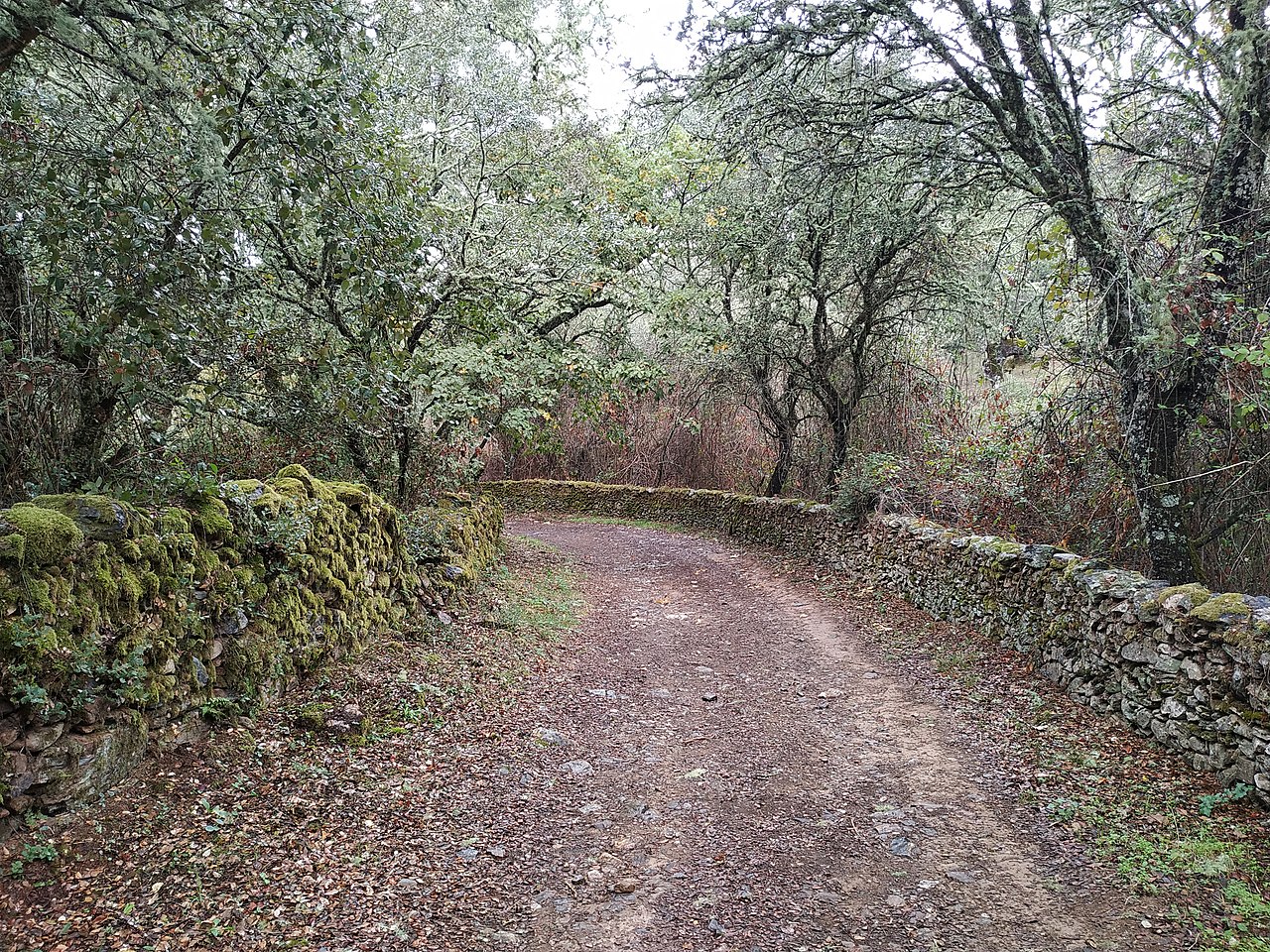
Cabeza la Vaca is a municipality located in the province of Badajoz, Extremadura, Spain. The economy of the municipality is based on agriculture. The surroundings of the area have thousands of evergreen oaks, olive trees, pine trees and leafy scrubland.
Sections the premium town hall can edit · Fixed sections of the guide
Origins
There's no information in this section yet. The village's profile can complete it from the panel.
History
In the Iron Age, this region, like all of the south of Extremadura, where Cabeza la Vaca is located, was inhabited by Celtic people known as the Celtici, but they were also on the border with the Turduli and Turdetanian (tartessian derived) who were located in the southeast. Throughout the second century B.C., the Roman conquest and settlement in the south of Extremadura displaced the Celtic languages around this zone. It is possible the region which nowadays is Cabeza la Vaca may enjoy a period of prosperity as the Roman road Ruta de Plata vía (Silver way in English) is close up connecting the south and north of the Iberian Peninsula. Roman coins have been found around Cabeza la Vaca by farmers when plowing the ground. Rome maintained control through to the 5th century. The end of the Roman rule enabled the Visigothic period. In other parts of the peninsula, this first domain meant a stagnation stage; nevertheless judging by the number of scripts and remains found around the zone and in the same village (reused elements on fountains or columns), this epoch was important for those lands.
The Muslim conquest, between 711 and 716, did not mean the end of the Christianity. In this mountainous, steep and craggy landscapes there were resistors through to the 9th century, then the zone was depopulated, hence the scant remains related to the Muslim and lack of continuity of Cabeza la Vaca with other previous settlements. After the Christian reconquest in the first half of the twelfth century by the Kingdom of Lion and the order of Santiago, around 1230, some huts and cabins, perhaps related to unknown and razed town from the Visigothic epoch and survivors of the Muslim domain, were gradually attracting settlers from the North, until the end of century the location was renamed to Cabeza de la Vaca de León, starting out the modern history of the town. The language of Lion spread through Extremadura, however the Castilian was imposed in the 14th century. The proximity of another Spanish kingdom, Portugal, along with civil wars within Castilla y Leon and terrible plagues led to instability through to the 15th century, when Cabeza de la Vaca consolidated firmly.
The town was closely linked to the conquest of America and to the Kingdom of Seville from the late 15th century. Among the personages more important the village highlights Diego María de la Tordoya illustrious neighbor Cow Head, born probably in the decade of 1460–1470, was one of the companions of Columbus on the first expedition to the New World, and died there. On the other hand, it finds some movements of population at the Archive of Indies, specially in the 17th century toward New Spain and Peru.
The 17th is marked by the collapse of the economic system based on old almost medieval structures, and above all by the conflict with Portugal, which broke the unit of Spain. Whereas, the 18th century was characterized by growth. A lot of lands around Cabeza la Vaca were used for farming and specially livestock, according as the religious orders lost strength, configuring the current economic model of the village. The confiscations from the 19th century intensified this process, but the lands fell into fewer hands. The society of Cabeza la Vaca divided into farmers, owners of properties, and agricultural laborers. This, coupled with the population growth, caused profound social inequalities. Yet the second half of this century had relative prosperity, because the agricultural economy shifted gradually from a communal village to a more efficient private farm-based agriculture; nevertheless, there were less need for manual labor on the farm, so many went to the cities.
In 1905 the town reached over 5,000 inhabitants, but the population then gradually declined. Too much population for a backward economic and especially poorly organized area. Since the 1920s migration toward the near zones or Badajoz, Seville and Madrid appeared, which intensified from the 1950s to the 1970s, when six in ten people emigrated, also toward other regions like Barcelona or Valencia. Remittances from emigrants became the main source of wealth throughout the century. Another event within the century was the Spanish Civil War. Franco's troops entered with little resistance into a village terrified by the excesses of the Republicans such as the confiscation of food or the burning of Churches in nearby towns. But, on the other hand, the 1940s were years of repression too by the Guardia Civil, with rebels in near mountains and crags to Cabeza La Vaca until well into the 1950s.
From the 1950s until the end of the Francoism, the village adopted the widespread use of electricity, and since the early 1980s, the water supply, inasmuch as people came to the fountains to pick up the water. From the mid-1980s, Cabeza la Vaca, much like the Tentudia region, transformed from a stagnant rural society to a service society.
Monuments
Iglesia parroquial católica de Nuestra Señora de los Ángeles del siglo XV, en la archidiócesis de Mérida-Badajoz.
En este municipio también nos encontraremos con la cruz de la Fuente de Abajo, 1339, de estilo tardogótico; la cruz de la calle Tordoya o de La Cuesta, curioso crucero reinterpretado de antigua picota, reaprovechando sillares y columna tardorromana; el rollo en la plaza de España (siglo XVIII); la plaza de toros, arquitectura popular (siglo XIX); la Fuente del Coso, lápida romana votiva (siglo III); fuente del Rollo, 1885; Torre del Reloj, 1770; fachada del antiguo ayuntamiento, arquitectura popular (siglo XVIII).
El monumento por excelencia, tras su declaración como tal por la Junta de Extremadura, es la plaza de toros, fruto de la afición taurina que hay en este pueblo, y que se documenta desde el siglo XV. Tras haberse celebrado corridas y juegos con toros en distintos sitios de la villa, en el siglo XIX se erigió el coso actual con la colaboración de los vecinos, por ello su estilo arquitectónico es popular, macizo, abaluartado, con graderío y burladeros semi-excavados en la roca. Se conservan carteles impresos desde 1902, y por su arena han pasado toreros de renombre nacional, especialmente Paco Camino, a quien el pueblo tiene singular cariño ya que en sus comienzos allá por los años cincuenta hizo aquí sus primeras lidias. Otra efeméride taurina de consideración es que el maestro Manolo Vázquez vistió su primer traje de luces en esta plaza de toros el 13 de julio de 1947.
Aunque no es un monumento físico, el lugar rústico de la Pisada del Caballo obedece a una leyenda conservada en el pueblo, dice que estando guerreando las tropas cristianas con los moros, en tiempos de la Batalla de Tentudía, el Apóstol Santiago se puso al frente de las milicias de la Cruz, y en estas lides, el blanco corcel del Santo pisó en una roca donde dejó grabada la herradura y uno de los clavos perforó la roca por donde salió agua. El manantial existe, tiene forma de herradura y el agua que fluye es ferruginosa. Se encuentra cerca de la población, en la ribera del arroyo de Martín Gil, en las faldas del cerro de la Buitrera, un monte de 1.032 metros de altitud, donde en plena Guerra Civil, el 18 de abril de 1938, un bimotor Heinkel-111 de la Legión Cóndor alemana se estrelló en la montaña al estar cubierta por la niebla. Existe una construcción en el lugar del accidente en recuerdo del hecho en el que perecieron los seis aviadores, que fue inaugurada el 2 de mayo de 1939.
What to visit
Este municipio ofrece rutas por el campo, por paisajes montañosos y valles; ruta por arquitectura popular urbana; ruta del agua, fuentes urbanas y rústicas; recorrido por el patrimonio histórico-artístico.
Fiestas:
Fiesta patronales de San Benito, el día 11 de julio y próximos, destaca las corridas de toros; la Santa Cruz, 2 y 3 de mayo, destaca la Velada de la Cruz en la madrugada del día 3, con fuegos artificiales, adorno de cruces en las calles y pasacalle musical por las diferentes cruces. La Virgen de Agosto, el día 15 de dicho mes, con verbena y corrida de toros. Romería de San Isidro, el 15 de mayo, fiesta campestre con recorrido previo por caminos, en monturas y carrozas, música y concursos. De reciente creación es la Feria de la Castaña, cuya fecha de celebración es a comienzos del mes de noviembre; aprovechando la recolección de las castañas se organiza una feria donde se ofertan los productos típicos del pueblo: embutidos y salazones, vino, dulces, frutas..., a lo largo de varios días.
Costumbres:
La quema del Judas: tiene lugar el Domingo de Resurrección, tras la Misa Mayor, un muñeco relleno de paja y pólvora, simulacro del discípulo traidor, es paseado por el pueblo y llevado a la plaza mayor donde tras un sumario juicio lleno de burlas y escarnios, es sentenciado a muerte, una vez colgado, se le prende fuego, mientras los asistentes contemplan como las llamas y las explosiones consumen el muñeco que cada año es caracterizado de algún personaje famoso de la televisión o del artisteo que a juicio del pueblo merece ser condenado.
La ensalada de Papas: originalmente era de habas secas; actualmente es de patatas, que tras aderezarlas convenientemente, conformaban un plato gastronómico el día de Santa Ana (26 de julio) que las mujeres ofrecían a los hombres cuando volvían del trabajo en el campo. Hoy día se ha convertido en un día de gira con los amigos y la familia a los sitios donde poder disfrutar del agua y la comida.
A los naturales de este pueblo le apodan "brujos" los otros pueblos vecinos debido a la existencia a finales del siglo XIX y primeras décadas del XX de dos o tres mujeres con capacidad para conectar con los difuntos, con escasa fortuna y mucha ignorancia. Lo paradójico es que los que así los motajeaban eran los mismos que desde otros pueblos venían a consultar a estas visionarias. Todo queda en el folclore.
Gallery




Festivals
September 2026
Festivals this month
- No festivals recorded this month.
Rest of the year
- July: San Benito (11)
- October: Feria de la Castaña (30)
What's on
Street market
Find the day and place of the local street market:
Gastronomy
There's no information in this section yet. The village's profile can complete it from the panel.
Trails and hiking
There's no information in this section yet. The village's profile can complete it from the panel.
Services
Do you have a business in Cabeza la Vaca? Advertise it for free and go premium whenever you like. List my business for free
Famous people
There's no information in this section yet. The village's profile can complete it from the panel.
Town hall
Alcaldía: Rosa Maria Fabian Romero
Web oficial: http://www.cabezalavaca.es
Town hall of Cabeza la Vaca
Alcaldía: Rosa Maria Fabian Romero Web oficial: http://www.cabezalavaca.es
Here goes your town hall's profile or your website address. Are you from the town hall? Go premium to complete your profile and edit your village's content. hola@ciudadesypueblos.es
How to get there
- 🚗 108 km from Sevilla (about 76 min by car)
- 🚗 125 km from Badajoz (about 88 min by car)
🧭 Travelling around the villages of Spain: a practical guide — Opening hours, transport, money and customs, before you set off.
- ✈️ 110 km from Sevilla airport (about 78 min by car)
- ✈️ 120 km from Badajoz airport (about 85 min by car)
Practical info
🏧 Nearest cash machine
- Caja Rural de Extremadura · 0.1 km away
- Ibercaja · 0.1 km away
- Cajalmendralejo · 0.2 km away
⛽ Nearest petrol station
- Estación de Servicio San Benito · 0.5 km away
- Estación de Servicio Tentudía · 8 km away
- Estación de Servicio Díaz Gata · 10 km away
Buses
Check the route, times and public transport connections to Cabeza la Vaca:
Pharmacy and health
•Farmacia Farmacia Cardeno Forastero
•Consultorio Médico
Wall and news
Log in with your profile to post. Posting on the walls is free.
This wall is still quiet.
Obituaries
There are no obituaries published right now in Cabeza la Vaca.
In loving memory
There are no memorials in Cabeza la Vaca yet.
Videos
Discover Cabeza la Vaca on video: