Artà (Balearic Catalan: [əɾˈta]) is a municipality on Mallorca, one of the Balearic Islands, Spain. The small town of the same name is the administrative seat of this municipality in the region (comarca) of Llevant.
Sections the premium town hall can edit · Fixed sections of the guide
Origins
There's no information in this section yet. The village's profile can complete it from the panel.
History
Artà was first mentioned in 1232 under the name Yartân in the Llibre de repartiment de mallorca (Jaume I). Later it was also written down as Jartan or Jertan. The origin of the name is derived from "Gertan", the Arab word for garden.
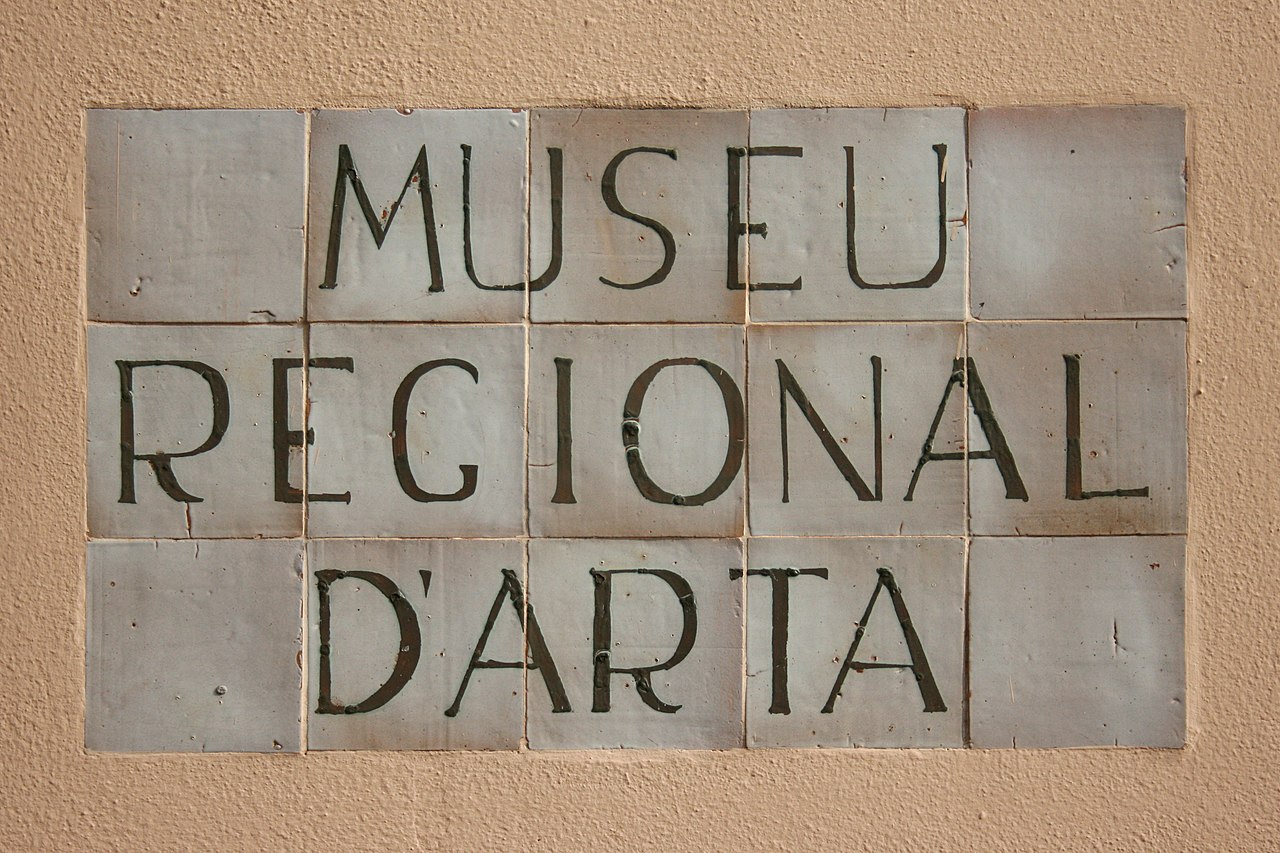
This extraordinary landscape has been inhabited since the colonization of Mallorca, as witnessed by the archaeological finds in this area:Ses Païsses and Sa Canova. They date from the time 1300–100 BC. The coins, seals and vessels of the Talaiotic culture may be seen in the Artà Regional Museum at Plaça d'Espanya.
Little is known about the Artà region from the Roman or pre-Islamic period. It is believed, however, that the old fortress on the town's hill dates to before the Islamic-Arab possession of the island. In the Arabian era from the 10th to the 13th century and even during the early days of Catalan rule, the fortress was known as the Almudaina, which means something like "castle" or "fortress".
Today the one-meter thick fortress wall with its nine towers, including the main tower of Sant Miquel, surrounds the pilgrimage church of Santuari de Sant Salvador with its outbuildings. The church houses a multicoloured, carved, wooden, Romanesque statue of the Virgin Mary, which, according to the tradition of the White canons was brought to the island by James I during the conquest of Majorca.
A Calvary staircase of 180 steps links the parish church (Esglèsia Parroquial) of Transfiguració del Senyor at the foot of the town's hill with the 1832 baroque church of Sant Salvador on the 182-metre high Calvary Hill or Puig de Sant Salvador. The 1573 late Gothic style church of La Transfiguració replaced the ancient parish church consecrated in 1248 on the site of an earlier mosque.
During the Arab or Moorish era the peninsula of Yartan was one of thirteen districts of Mallorca. After the Catalan conquest of the island the present town of Artà emerged in the 13th century after the arrival of the Norbertines, or White Monks, who founded the Priory of Santa Maria del Bellpuig. The estate of Bellpuig is three miles southwest of Artà. From there, the present town area, the farms of Almudaina, were divided into lots and reallocated. The town was still called Almudaina in the 15th century, whilst the name Artà referred to the entire district.
From the 16th to the 18th century the population of the city rose sharply and, in addition to agriculture, it developed a textile industry. An outbreak of bubonic plague in 1820 caused a setback resulting in 1200 deaths. In the 19th century the districts of Capdepera and Son Servera were separated from Artà. The greater part of the territory of Artà at that time was in the hands of big landowners. Among the small farmers the craft of basket making from palm leaves developed as an invaluable source of secondary income.
In 1880, the land at Devesa de Ferrutx on the Bay of Alcúdia was divided up and the coastal village of Colonia de Sant Pere was founded as an agricultural settlement. This quiet tourist resort has the second highest population in the municipality after the town of Arta.
The few villages in the municipality of Artà became well linked by roads in the 20th century, not least with a view to developing tourism, which is now the most important industry on the island. Nevertheless, large parts of the area are still virtually unspoilt due to its sparse settlement, which led to the designation of the nature reserve Parc Natural de la Península de Llevant in the north of the borough of Artà. The railway line from Palma via Manacor and Son Servera to Artà was opened in 1921 but no longer operates. However, there is a plan to re-open a service from Manacor, which should start during the next legislative session.
Monuments
•poblat talaiòtic de ses Païsses
•creu del camí de Son Servera
•Monolit a Miquel Costa i Llobera
•Talaiot central
•entrada al poblat
•Habitacions
•Sala Hipòstila
•Porta NW
•Porta dell aqua
•sa Creu nova
•Sant Salvador
•Can Cardaix
What to visit
•Via Verda
•Torre d'es Mirador
•M. Sarasate
•Joan Peix
•Studio 25
•Frank Krüger
•Museu Regional
Al permanecer ajeno en gran medida al impacto del turismo Artá y sus habitantes han podido conservar intactas sus tradiciones festivas (fiestas de San Antonio con sus demonios y foguerons), artesanales (bordado mallorquín, artesanía de palma) y gastronómicas (panades, robiols, sobrasada). Artá es considerado un pueblo fiestero. La participación activa en todas las fiestas, siempre respetando la tradición, es un hecho respetado en la zona que las caracteriza.
Fiestas:
Reyes: 5 de enero
Fiesta de Sant Antonio: 16 y 17 de enero
Carnaval
Semana Santa
Cavallets
Fiestas de San Pedro
Fiestas de San Salvador
Fiestas de Navidad
Patrimonio:
En el seno de un amplio valle Artá se encuentra dominado por el recinto amurallado de San Salvador y por la iglesia de estilo gótico de la Transfiguración del Señor. En su núcleo antiguo destacan las residencias de los antiguos señores dueños de las grandes fincas del municipio, algunas de ellas convertidas en museos privados, como el Museo Regional de Artá o la Casa-museo de Can Cardaix. También se debe destacar el poblado talaótico situado a las afueras de la villa denominado "Ses Païsses". Restos arqueológicos que muestran como la ocupación humana de la comarca artaneca comenzó en el periodo pretalaótico.
A pocos kilómetros de la salida de Artá a Palma se encuentra el monasterio de Santa María de Bellpuig, datado de la conquista del rey Jaime I en el siglo XIII.
Gallery




Festivals
September 2026
Festivals this month
- No festivals recorded this month.
Rest of the year
- April: Fiestas de Sant Pere y Sant Salvador (13)
- May: Cool Days Festival (7)
- August: Fiesta patronal: Salvator Mundi (6) · Festes de Sant Salvador
What's on
Street market
•Streetmarket — carrer Ciutat (Tu 08:00-13:00)
•Mercadillo municipal
•Sa Central
Gastronomy
There's no information in this section yet. The village's profile can complete it from the panel.
Trails and hiking
•GR 222 - Ruta Artà-Lluc (GR222)
•Volta als Establits de s’Alqueria Vella (10, 3.4 km)
•Camí dels Presos (3, 6.5 km)
•Pujada al puig Figuer (11, 1.0 km)
•s'Alqueria Vella - es Verger (1, 1.9 km)
•GR226 - Ruta del Lievant Etapa 3 (GR 226, 23 km)
•GR226 - Ruta del Lievant Etapa 4 (GR 226, 18.5 km)
Services
Do you have a business in Artà? Advertise it for free and go premium whenever you like. List my business for free
Famous people
•Sergi Darder, futbolista español
•Enric Mas, ciclista español
•Abdón Prats, futbolista español
•Antonio de Literes, compositor español
•Miquel Alzamora, ciclista español
•Xavi Ginard Torres, futbolista español
Town hall
Web oficial: https://arta.cat/
Town hall of Artà
Web oficial: https://arta.cat/
Here goes your town hall's profile or your website address. Are you from the town hall? Go premium to complete your profile and edit your village's content. hola@ciudadesypueblos.es
How to get there
- 🚗 46 km from Palma (about 32 min by car)
- 🚗 229 km from Eivissa (about 162 min by car)
🧭 Travelling around the villages of Spain: a practical guide — Opening hours, transport, money and customs, before you set off.
- ✈️ 69 km from Palma de Mallorca airport (about 49 min by car)
- ✈️ 96 km from Menorca airport (about 68 min by car)
Practical info
🅿️ Where to park
- plaça des Marxando · 0.1 km away
- Where to park · 0.1 km away
- sa Clota · 0.2 km away
🏧 Nearest cash machine
- Caixabank · 0 km away
- Santander · 0.3 km away
- Banca March · 0.3 km away
⛽ Nearest petrol station
- Repsol · 0.7 km away
- Petronor · 0.8 km away
- Galp · 8.2 km away
ℹ️ Tourist office
- Sant Salvador · 0.2 km away
- Tourist office · 0.2 km away
- Tourist office · 0.5 km away
🔭 Viewpoints
- Torre d'es Mirador · 0.3 km away
- Viewpoints · 2.8 km away
- Viewpoints · 5 km away
Buses
2 paradas de autobús en el municipio:
•Artà 1 (Artà)
•Artà 2 (Artà)
Pharmacy and health
•Farmacia Salom
•Ralph Ocker
•Farmacia Ladaria
•Farmacia Palmer
•Centre de salut Nuredunna
Wall and news
Log in with your profile to post. Posting on the walls is free.
This wall is still quiet.
Obituaries
There are no obituaries published right now in Artà.
In loving memory
There are no memorials in Artà yet.
Videos
Discover Artà on video: